How to Manage Everyday Stress with Simple Habits for Lasting Calm
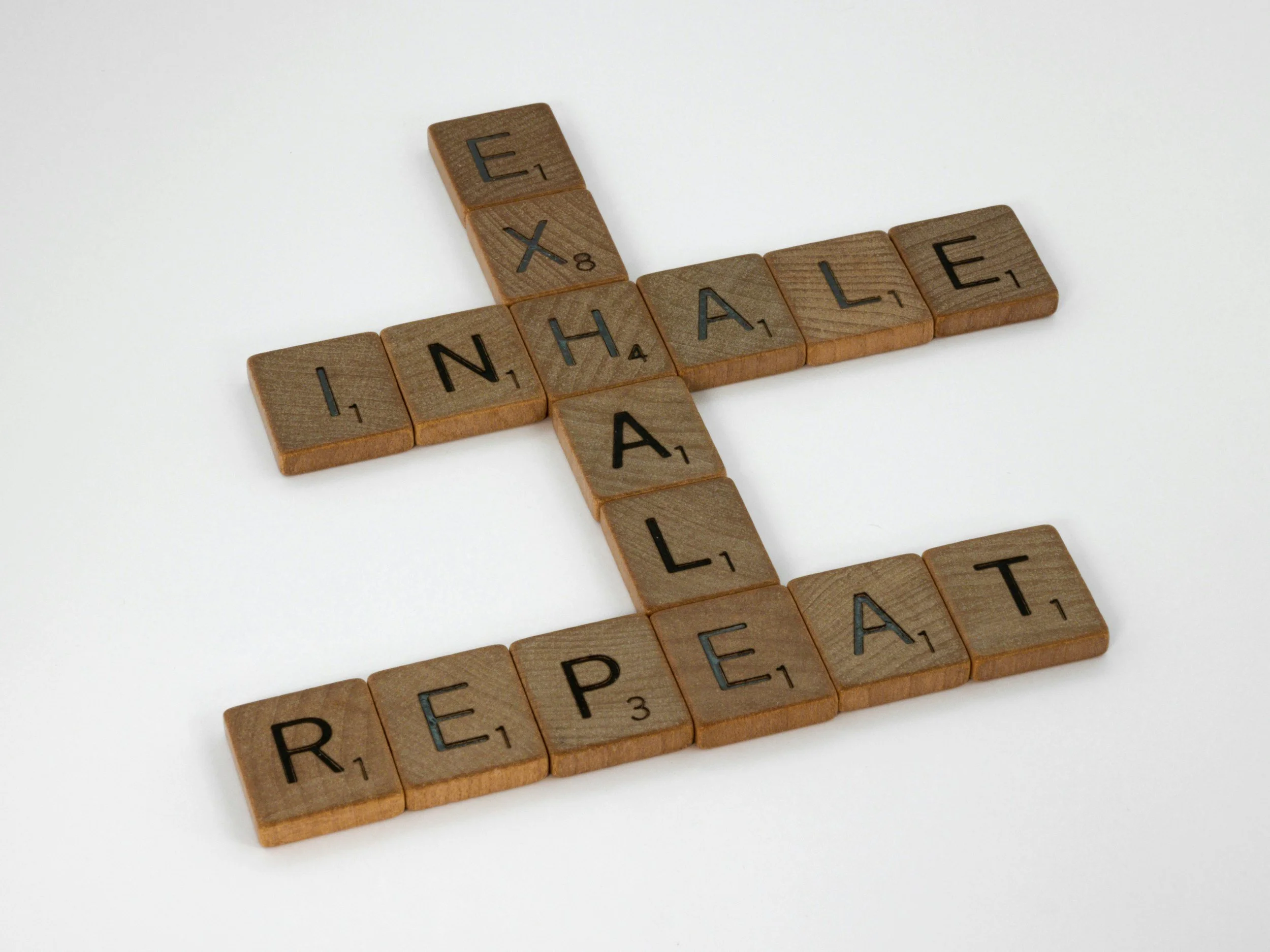
For those balancing work, family, and the constant upkeep of a home or apartment, everyday stress management often stalls for one simple reason: the real pressure points stay unnamed. Cluttered counters, overflowing laundry, and a packed calendar can blend into background noise until stress shows up as irritability, fatigue, or the sense of always being behind. Personal stress identification is the starting line, because stress triggers in home life and daily routine stressors look different from one household to the next. When the trigger is clear, the next steps can actually match the problem.
Understanding Stress and the Hidden Load of Clutter
Stress is a response to pressure, not a character flaw, and it often comes from common sources like time crunches, work demands, money worries, and family needs. Stress is a response that builds when your brain keeps tracking what is unfinished, uncertain, or urgent. Clutter and disorganization add to that load by constantly signaling “something needs attention.”
This matters because daily stress does not stay in your head. Research shows daily stressors increase the odds of occurrence, number, and severity of daily symptoms, which can make calmness feel harder to reach. When you see how mess fuels mental noise, home habits become a real stress tool.
Think of a kitchen where mail piles up, backpacks scatter, and you cannot find the one permission slip. Nothing is “serious,” but your brain runs a nonstop checklist. Tidying even one hotspot removes dozens of tiny reminders.
With the main categories clear, a simple reflection helps you pinpoint your personal stress sources.
Map Your Personal Stress Triggers in 15 Minutes
If you want calmer days, start by naming what is actually driving the pressure.
This quick reflection helps people connect everyday stress to real-life hotspots at home, work, and in their schedule, so decluttering and simple routines target the right problem.
Step 1: Do a two-day “stress snapshot.” Keep a quick note on your phone for two typical days: when you feel rushed, irritated, or mentally foggy, write the time and what was happening. Aim for facts, not stories, so you can spot patterns instead of blaming yourself. You only need 8 to 10 entries to see what repeats.
Step 2: Sort each entry into five buckets. Label every note as Home, Work, Relationships, Time, or Health. Use simple labels like “laundry backlog,” “deadline,” “argument,” “too many stops,” or “poor sleep.” This turns a vague feeling into categories you can address one at a time.
Step 3: Identify your top two stress multipliers. Circle the two buckets that show up most, then underline what made each moment harder, such as searching for items, unclear expectations, or running late. Many people benefit from naming workplace stressors like excessive workload, tight deadlines, and interpersonal conflicts because it clarifies what is within their control.
Step 4: Pick one targeted fix per bucket. Choose one small change that reduces friction for each of your top two buckets, keeping it doable in 10 minutes or less. For Home, pick a single landing zone for bags and mail or clear one countertop; for Time, add one recurring reminder or a basic planning block. The stat that 82% of people don't have a time management system is a useful nudge to keep your solution simple and consistent rather than complex.
Step 5: Confirm a “proof point” for the next week. Decide how you will know the fix is working, such as “I find keys on the first try” or “I leave the house five minutes earlier three days this week.” Put that proof point on a sticky note where the stress shows up, then review it after seven days and adjust only one thing at a time.
Small, specific fixes create momentum, and momentum is what makes calm start to feel normal.
Simple Habits That Keep Calm on Repeat
Try these steady practices to keep the progress going.
Once you know your biggest stress multipliers, habits turn your one-time fixes into automatic support. For those juggling busy households, these small routines pair decluttering with nervous-system calm so you feel better week after week.
10-Minute Daily Reset
What it is: A daily reset that restores order with quick, focused pickups.
How often: Daily, ideally the same time.
Why it helps: Less visual clutter means fewer micro-stress spikes.
One-In, One-Out Purge
What it is: Make purging a part of your daily life by removing one item when something arrives.
How often: Daily.
Why it helps: You stop accumulation before it becomes another weekend project.
Two-Minute Breathing Pause
What it is: Box-breathe for four counts in, hold, out, hold.
How often: Twice daily or before transitions.
Why it helps: It interrupts the rush loop and clears mental fog.
Set-and-Forget Sleep Start
What it is: Pick a nightly “screens down” time and prep tomorrow’s basics.
How often: Nightly.
Why it helps: Better sleep reduces irritability and decision fatigue.
Weekly Walk-and-Plan
What it is: Walk your main rooms with a bag and write three fixes.
How often: Weekly.
Why it helps: You stay ahead of hotspots instead of reacting.
Choose one habit this week, then tweak it to fit your family’s rhythm.
Questions People Ask When Stress Feels Constant
If you’re still feeling on edge, these clarifications can help.
Q: What are some effective ways to identify the main sources of stress in my daily life?A: Start a 3-day “stress map”: note the time, place, and what happened right before the spike. Then circle repeat patterns like clutter bottlenecks, rushed mornings, or decision overload. The World Health Organization notes that stress can be defined as a state of worry or mental tension, so track what reliably creates that tension for you.
Q: How can establishing a regular exercise routine help reduce feelings of stress and overwhelm?A: Movement gives your body a safe outlet for built-up adrenaline and helps you reset after a hectic day. Keep it simple: a 10-minute walk after dinner or a short strength circuit twice a week is enough to build consistency. Pair exercise with one small home task so your brain links motion with progress.
Q: What strategies can I use to maintain a positive attitude even when faced with stressful situations?A: Use a quick reframe: “What is one thing I can control in the next 10 minutes?” Then choose a tiny action like clearing one surface, answering one email, or taking six slow breaths. Positivity is not ignoring stress; it is steering your attention toward the next doable step.
Q: How can managing my home environment contribute to lowering stress levels and improving my overall well-being?A: A calmer space reduces visual reminders of unfinished tasks, which can keep your mind on high alert. Pick one “landing zone” to simplify today, such as the kitchen counter or entryway, and set a daily 5- to 10-minute tidy timer. This matters because nearly half of all Americans report frequent stress, so lowering everyday friction at home can be meaningful.
Q: What options exist for someone feeling stuck and uncertain who wants to gain new skills and direction in their life?A: Start with a low-pressure experiment: identify one skill you want, then commit to 20 minutes of practice three times a week for one month. Choose a path with clear milestones, like a short course, a certification-aligned program, or online IT programs that map coursework to career-relevant skills and industry certifications, so your effort turns into proof of progress. If uncertainty is also affecting sleep, mood, or functioning, consider talking with a professional for added support. One small choice today can create calmer momentum by the end of the week.
Build Lasting Calm by Pairing Stressors With Simple Habits
When stress feels constant, it can seem like every room, task, and obligation is pulling at once. A calmer way forward is to use a stress identification summary to name the one stressor driving the most friction, then match it to targeted stress habits and the right support resources instead of trying to fix everything at once. With that focused approach, practical stress control becomes doable, and stress management motivation comes from seeing small wins stack up in daily life at home. Identify one stressor, choose one habit, and repeat until calm feels normal. Choose one stressor to tackle this week and pair it with one targeted habit, reaching for support resources if it starts to feel too heavy. That steady practice matters because it builds resilience and protects the energy needed for health, relationships, and a more stable home life.